The Three-Task Day: A Plan You Can Actually Finish
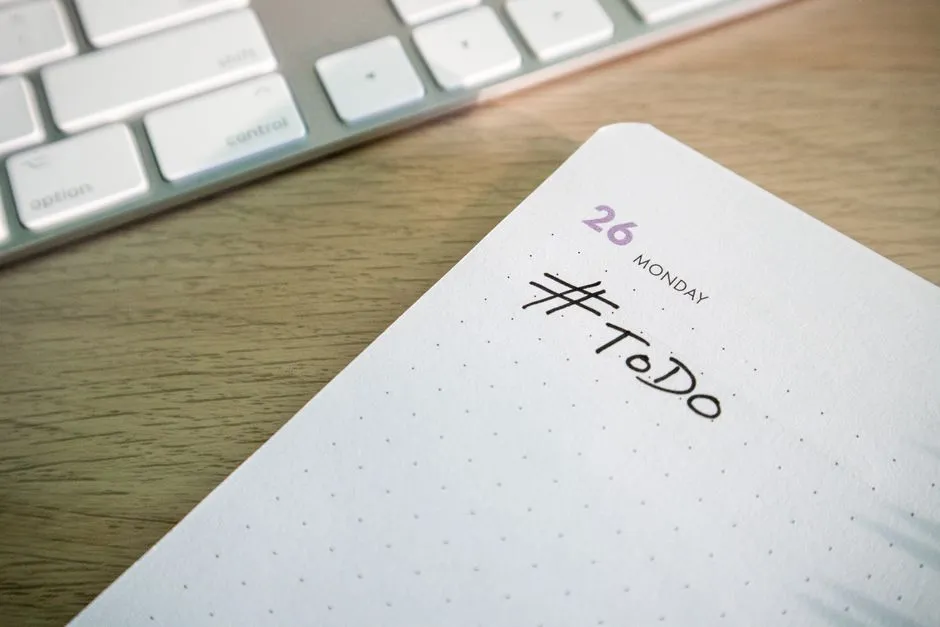
Three tasks are a commitment, not a storage unit
The three-task day is simple: choose three meaningful outcomes that fit around the appointments, maintenance, and surprises already occupying your calendar. These are not the only things you may do. They are the three things you want to protect from a long list’s tendency to become decorative wallpaper.
An outcome is specific enough to recognize when finished: “send revised proposal,” “book dentist appointment,” or “clear and label the top kitchen shelf.” “Work on life” has ambition but poor acceptance criteria.
Start with available time
Look at the day’s fixed commitments, travel, caregiving, meals, breaks, and routine responsibilities. Estimate the blocks that remain without treating every blank calendar square as uninterrupted energy. Leave open space for transitions and unplanned work.
If your day is unpredictable, choose smaller outcomes. The method should bend around reality, not accuse reality of poor time management.
Choose one anchor and two supports
Pick one anchor task that would make the day meaningfully different. Then choose two supporting tasks: necessary administration, maintenance, or a smaller step that prevents tomorrow’s problem.
For example:
- Submit the edited article.
- Schedule the car service.
- Prepare tomorrow’s lunch components.
Avoid selecting three enormous projects. A daily task can be one defined stage of a project: “draft the introduction and section headings,” not “write the book.”
Explore more structures in Daily Planning.
Give each task a finish line
Write a verb, object, and condition of completion. “Budget” becomes “enter this week’s receipts and flag missing ones.” “Presentation” becomes “produce a six-slide first draft for review.” The condition prevents you from quietly expanding the job when it is nearly complete.
Also write the first physical or digital action beside each task. This exposes hidden setup. If “call supplier” begins with “find account number,” you now know where to start.
Check the combined size
Place rough time ranges beside the tasks, using your own history where possible. Include setup, communication, review, and cleanup. If the total consumes every available block, reduce scope before the day begins.
Split a large task, move a lower-priority one, or redefine its finish line. Do not simply write “be efficient” in the margin. That is motivational confetti, not capacity planning.
Work the list in a deliberate order
Start with the anchor when energy, access, and dependencies allow. If it is blocked, name the blocker and move to a support task rather than bouncing between all three. Keep incoming requests on a separate capture list until a scheduled review point, unless they truly require immediate action.
When distraction has already won a few rounds, use the ten-minute focus reset to re-enter one task.
Handle the fourth urgent thing
New work will arrive. Ask whether it must happen today, whether it replaces one of the three, and who owns the decision. If it belongs today, revise the plan visibly. A list that changes honestly is more useful than a pristine list completed only through denial.
Do routine tiny actions as needed, but notice when they become avoidance. Completing eleven trivial messages does not secretly complete the anchor task.
Close the day without a courtroom
Mark what finished, record the next step for unfinished work, and decide whether it should be scheduled, delegated, reduced, or dropped. Do not automatically roll every item forward. Reconsider it.
A successful three-task day might finish two tasks and reveal that the third depended on missing information. The purpose is not a perfect score. It is to make tradeoffs visible while there is still time to choose them—an admirably practical job for three unassuming lines on paper.